Description of Kaliyuga
In the second chapter of *Guru Charitra*, a profound dialogue takes place between Lord Brahmā and Kali, the presiding spirit of the age called Kaliyuga. These verses describe how Kali fears righteous people and how his influence affects human minds and societies. The narrative below presents the essence of this teaching in simple form.
The Fear of Kali
Lord Brahmā tells Kali that those who possess true spiritual knowledge and who perform righteous deeds with awareness always receive divine support. Hearing this, Kali replies with humility that such people are his enemies, for their purity weakens him. He fears those who meditate on Śiva or Viṣṇu, those who live near sacred rivers like the Gaṅgā, those who perform pilgrimages, give charity, listen to scriptures, or live with humility and peace. All of these diminish his power, whereas those who fall into impurity and ignorance strengthen him.
Brahmā’s Instruction to Kali
Brahmā consoles Kali by explaining that Kaliyuga will be vast and powerful, and most humans will naturally fall under his influence. Only a rare few will possess enough purity and discipline to resist him. Kali then asks how he can maintain his nature if people follow Dharma. Brahmā replies that pure-hearted people weaken him, while ego-driven and careless individuals empower him. This constant balance between virtue and vice preserves cosmic harmony.
Who Remains Unaffected by Kali?
Brahmā lists those who remain untouched by Kali’s influence: people of patience and purity, those free from greed, worshippers of Śiva or Viṣṇu, residents of sacred places like Kāśī, those devoted to their Guru, those who honour their parents and teachers, those who care for cows and living beings, reciters of Gayatri, devotees of Tulsi, Vaishnavas, Shaivas, and those who listen to scriptures with reverence. Such individuals remain protected.
Expanded Description from the Purāṇas
The Purāṇas state that Kaliyuga began immediately after Dvāpara and spans 432,000 human years. Kali appeared fierce, unsteady, without discrimination, delighting in conflict and falsehood. He vowed to influence all households and corrupt Dharma. Brahmā instructed him to speak of Dharma, but Kali declared he would instead spread selfishness, intoxication, greed, envy, adultery, misuse of resources and hypocrisy across society.
The Nature of Kaliyuga
During Kaliyuga, very few people remain virtuous. Yet even a small amount of Dharma practiced in this age brings immense spiritual fruit. What takes a year in Treta or a month in Dvāpara yields result in a single day in Kaliyuga. The dominant element here is Air (Vāyu), whose subtle quality is compassion—yet this compassion often becomes confused, emotional and misdirected. Thought becomes unstable and easily influenced.
Social Conditions in Kaliyuga
The Purāṇas describe society in Kaliyuga as narrow-minded, greedy and dissatisfied. Desires increase even as poverty rises. False teachers mislead society; rulers exploit the people; priests focus on wealth; students and householders abandon discipline. Families break down, respect for elders diminishes, and friendship dissolves over trivial gain. Basic needs become uncertain. People appear ghost-like, reflecting inner emptiness. Many abandon worship, mock scriptures and fail to recognize truth. Yet even one sincere utterance of God’s name destroys countless lifetimes of karma.
The Power Structure of Kaliyuga
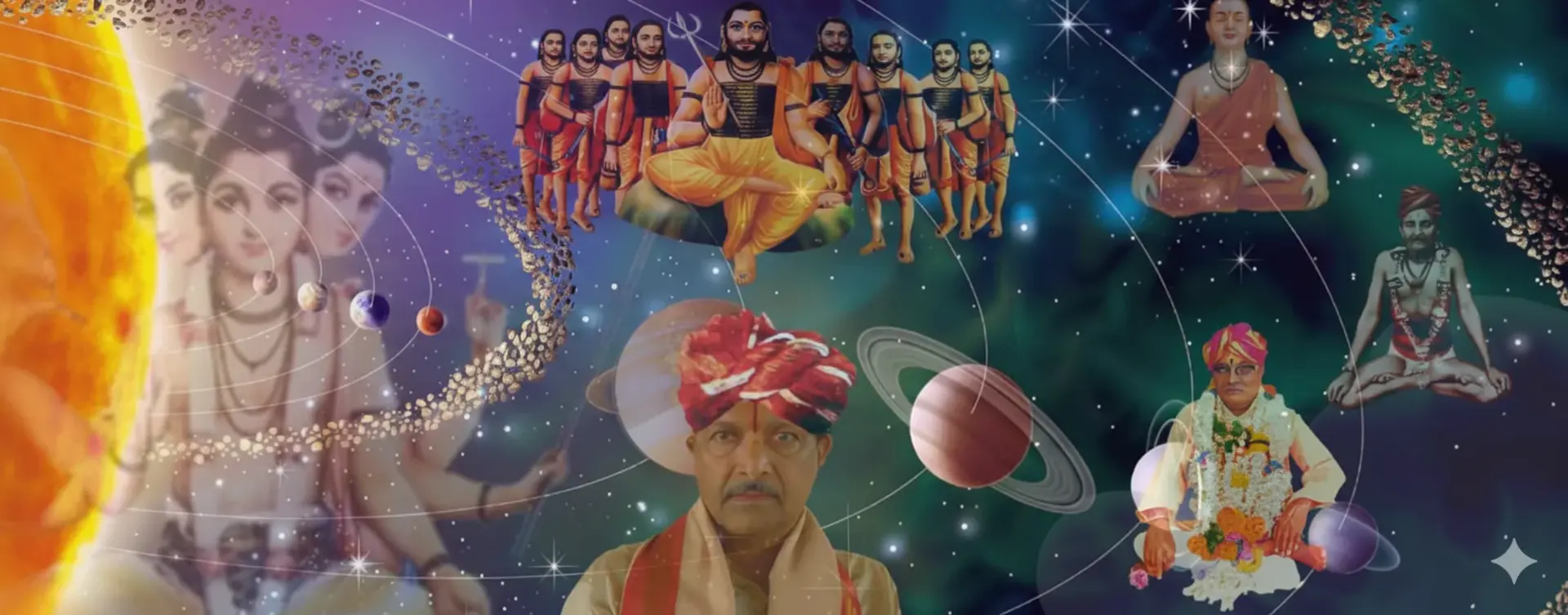
Kali proclaims that he rules over all beings and that even the gods cannot overpower him because they too must obey the laws of time. He says he belongs to no one and no one controls him — except the Nath Yogis of the Nath tradition, whose yogic authority stands outside his influence. According to Nath lineage, Lord Krishna empowered the Nath yogis to protect humanity during Kaliyuga.
The Purpose of the Nath Tradition
The Nath tradition exists to reduce the harm caused by Kaliyuga’s influence, guide seekers toward inner upliftment, and preserve ancient yogic wisdom. In an age where Dharma weakens, the Nath lineage becomes a powerful spiritual refuge.